

Hands-On STEM Instruction in Elementary Education
As an elementary special education teacher, I’m interested in how hands-on STEM gives students different ways to participate and show what they understand. At my school, students are being introduced to robotics and building models with cardboard. These activities give students something concrete to investigate. When a robot turns too soon or a cardboard bridge bends under a weight, students can look at what happened, decide what to change, and test their ideas again.

A First Hand Look at STEM Education
At my school, students are being introduced to robotics and building models with cardboard. As an elementary special education teacher, I see how hands-on activities give students different ways to participate and show what they understand. A model that collapses or a robot that turns too soon gives students something specific to figure out. Hands-on STEM instruction builds on that curiosity by asking students to investigate a question, test a solution, and explain what they learned.

What Is Hands-On STEM Instruction?
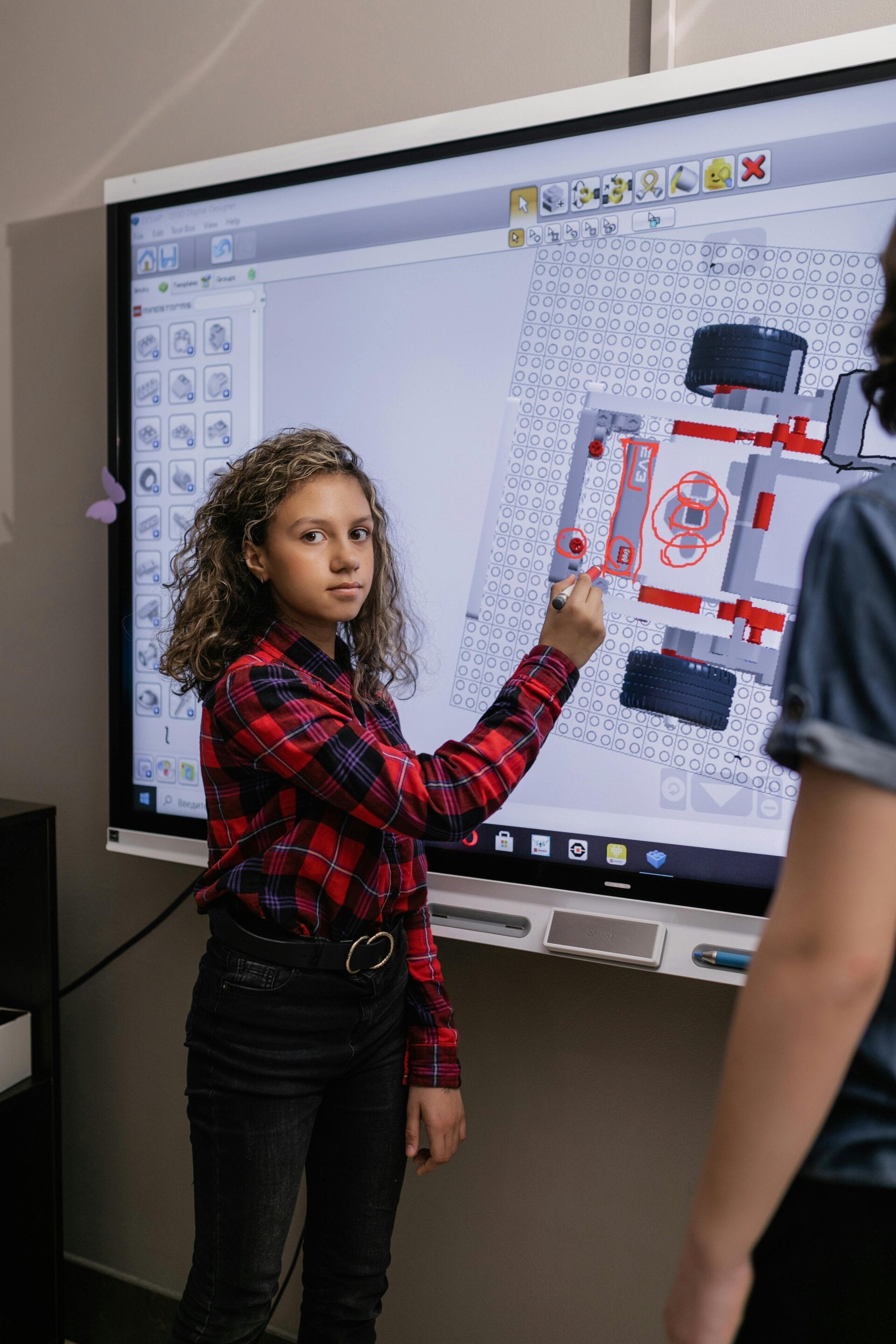
Hands-on STEM instruction brings science, technology, engineering, and mathematics together through investigations and design challenges. Students might use science to explain why a structure bends, math to measure the distance it needs to span, and engineering to improve its design. Technology can include everyday tools such as rulers and timers as well as programmable robots.
A lesson usually begins with a question or problem. Students make a prediction or plan, test an idea, record what happens, and use their results to explain a finding or revise a design. Teachers guide the process by modeling how to collect evidence, teaching relevant vocabulary, and asking students to explain their choices. The National Academies of Sciences, Engineering, and Medicine (2022) emphasizes that children from preschool through elementary school can engage in meaningful science and engineering when instruction builds on their curiosity and gives them opportunities to investigate and solve problems.
What the Research Shows
Krajcik et al. (2023) studied a project-based science curriculum involving 2,371 third-grade students in 46 Michigan schools. Schools were randomly assigned to use the project-based curriculum or continue their usual instruction. Students who received the curriculum scored about 0.28 standard deviations higher on a standardized science assessment. They also reported higher levels of collaboration and reflection during science activities. A March 2026 review by the What Works Clearinghouse found that the study met its research standards without reservations. journals.sagepub.com
The curriculum included four structured science units, instructional materials, assessments, and professional learning for teachers. In my practice, that means planning the learning goal and the assessment alongside the activity. For example, if the goal is to explain how a design change affects a bridge’s strength, I would ask each student to use the group’s test results to explain what changed. The study evaluated a full curriculum, so its findings apply most directly to that approach.
Examples of How Schools Can Implement Hands-On STEM
Benefits and Challenges
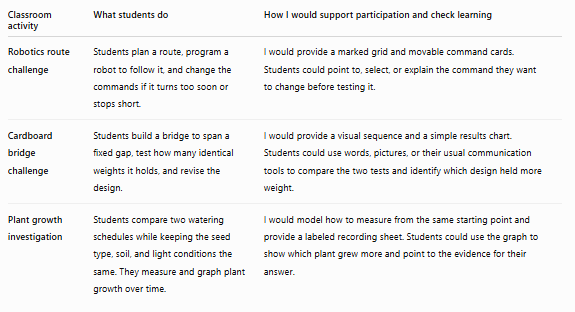
Benefits. Hands-on STEM gives students a reason to use vocabulary, measurement, and problem-solving together. A student can demonstrate an understanding of stronger by comparing how many weights two bridge designs hold. Building, measuring, drawing, and explaining also give students several ways to contribute. As an elementary special education teacher, I can use those moments to see what students understand and where they need more instruction.
Challenges. Materials, planning time, and opportunities to retest can be hard to fit into a regular school week. Multi-step directions, fine-motor demands, and group roles can also affect who gets to participate. I would break the task into steps, offer tools or prepared materials when students need them, and rotate roles so each student helps make a decision. A short individual check at the end would help me see whether each student can connect a result to a change the group made.
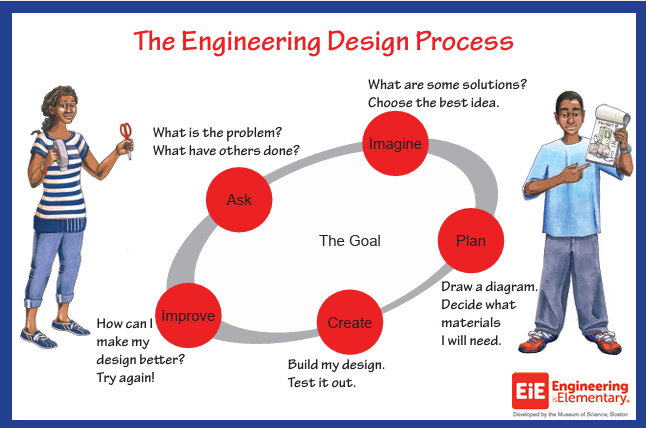

Students use evidence in both science and engineering. In my plant growth example, students measure and graph their observations to answer a question. In the cardboard bridge challenge, they use test results to improve a design. Visual directions and different ways to record results can help students participate in both activities.
Create Your Own Website With Webador